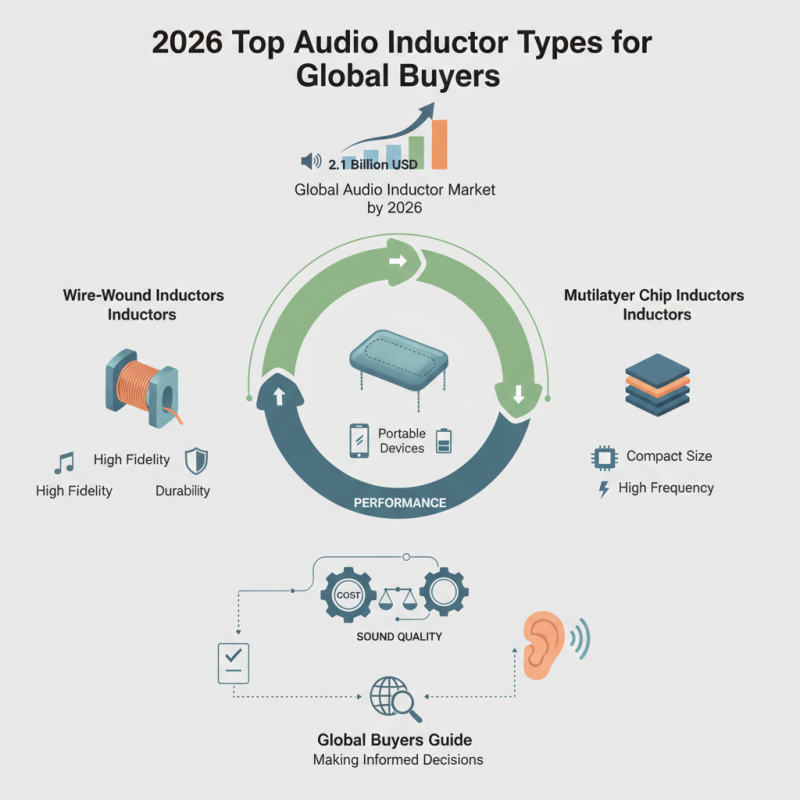
In the fast-changing world of audio tech, there's been a huge jump in demand for high-performance parts, especially audio inductors. A recent industry report from Grand View Research actually predicts that the global market for Audio Inductors will hit around $2.1 billion by 2026. This surge is mainly because portable audio devices are more popular than ever. It really shows just how crucial these little components are when it comes to improving sound quality and overall performance.
Experts like Dr. Emily Chen from Audio Innovate often point out how important it is to pick the right type of Audio Inductor. She’ll tell you, "Getting the right Audio Inductor can make a big difference in how good the sound is and how reliably the signal flows." But, honestly, with so many options out there, figuring out which one is best for your needs can be pretty confusing. There are lots of different kinds, each with its own perks and quirks, so knowing what to look for is key if you want to make a smart choice.
Diving into this market isn’t just about picking the cheapest or most popular. You need a good understanding of the specs and what each inductor is actually good for. As you compare options, it’s worth thinking about balancing cost versus performance—you want something that sounds great without breaking the bank. The right pick can seriously boost your listening experience, but making the wrong call might lead to less than stellar sound or inefficiencies. Basically, finding that sweet spot is what it’s all about in this pretty complicated industry.
Overview of Audio Inductors in the Global Market
Audio Inductorsplay a vital role in the global audio market. These components are essential for managing audio frequency signals effectively. Their design and materials directly impact sound quality. Various types of Audio Inductors cater to different needs. Each type has unique properties, suited for specific applications. The selection process can be complex and often requires expertise.
Global buyers must navigate various options available. Inductors come in different shapes and sizes. Some are optimized for high frequencies, while others focus on low-end response. Buyers should consider factors like impedance, size, and material quality. Understanding these aspects can lead to better decision-making. However, many potential buyers lack detailed knowledge about these components. This gap can lead to suboptimal choices and poor sound performance.
Education and research are essential in this market. Detailed specifications are available, yet they often confuse buyers. Clear guidelines can help demystify the selection process. Engaging with experts or industry resources can enhance understanding. However, it's crucial to continue learning and adapting to new technologies. The audio market is ever-evolving, and staying informed is key.
Types of Audio Inductors: A Comprehensive Classification
Audio Inductors play a crucial role in electronic sound systems. They help to manage the flow of electrical current. There are various types of Audio Inductors available in the market, each designed for specific functions. This classification of Audio Inductors can help buyers make informed decisions.
One significant type is the Air Core Inductor. These inductors excel in high-frequency applications. They are lightweight and efficient. According to industry reports, Air Core Inductors offer low losses. However, they may not be suitable for high power applications due to their physical size.
Another common type is the Ferrite Core Inductor. Ferrite cores provide excellent magnetic properties. They are used in both low and high-frequency applications. Reports suggest that ferrite inductors demonstrate better saturation levels than air core types. However, their performance can degrade when exposed to extreme temperatures, which buyers should consider. Exploring these types can help global buyers find the right fit for their needs.
Key Specifications and Characteristics of Audio Inductors
Audio inductors play a vital role in audio equipment, impacting sound quality and performance. Knowing their key specifications is essential for audio professionals. Inductance, current rating, and resistance are critical factors to consider. They influence the inductor's behavior in circuits, affecting overall audio fidelity.
High inductance is necessary for low-frequency applications. It's important to choose an inductor that can handle the required current without overheating. Resistance, while seemingly minor, can affect audio clarity and efficiency. A low resistance is preferable, but it should not compromise other specifications.
Durability matters too. Inductors must withstand repeated use without degradation. Sometimes, design flaws lead to inconsistent performance. Ensuring reliable Audio Transformers within devices requires careful selection. Engaging with technical resources is essential to find models that meet specific needs. Facts can often be overlooked, but they are crucial for achieving optimum performance.
Applications of Audio Inductors in Audio Equipment
Audio inductors play a critical role in audio equipment. They help filter signals, ensuring sound clarity and reduced distortion. Many designers rely on different types of inductors to optimize performance in their circuits. The choice of inductor can significantly impact the overall sound quality of an audio system.
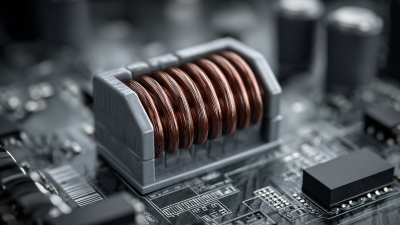
One popular choice among audio engineers is the Low DC resistance rod choke inductor. This type minimizes power loss, which is crucial for maintaining audio fidelity. When selecting inductors, consider both resistance and inductance values. These factors influence how effectively the inductor tunes specific frequencies.
Tips for selecting audio inductors include reviewing the inductor's specifications carefully. Not all inductors are equal. Many offer different performance levels under varying conditions. Testing various inductors can lead to unexpected results. It’s essential to adapt designs based on practical trials and feedback from actual usage.
Factors Influencing the Choice of Audio Inductors
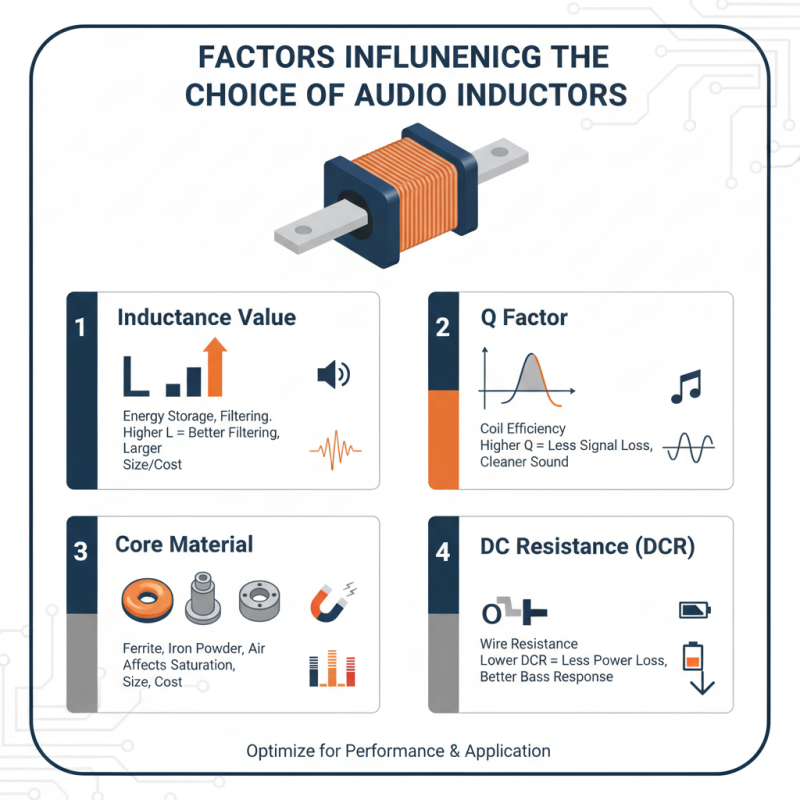
Choosing the right audio inductor is critical for audio performance. Several factors influence this choice, reflecting both technical specifications and application requirements. For instance, the inductance value is a primary consideration. It determines how well the inductor can store energy. A higher inductance often leads to better filtering but may cause size and cost issues.
Another significant aspect is the current rating. Inductors must handle the circuit's current load without saturation. A Rod choke inductor for DC-DC converter applications is commonly preferred due to its ability to manage efficient power transfer while minimizing losses. Additionally, core material also plays a vital role. Ferrite cores are popular for their compact size and efficiency, but they may saturate at high currents.
Environmental factors also affect inductor selection. Operating temperature and humidity can influence material performance. It's essential to choose an inductor that maintains reliability under expected conditions. The market data indicates that around 30% of audio enthusiasts overlook these considerations. With the right focus, buyers can enhance their audio systems, ensuring durability and optimal sound quality.
Leading Manufacturers of Audio Inductors Worldwide
In the world of audio inductors, leading manufacturers play a crucial role. These companies ensure high-quality production standards. They often focus on minimizing distortion and enhancing sound fidelity. The expertise of these manufacturers significantly impacts audio equipment performance and reliability.
Ferrite rod choke inductors are essential components in many audio devices. Their design helps to reduce electromagnetic interference. This interference can degrade audio signals, so manufacturers prioritize effective design practices. Understanding the manufacturing process is vital for anyone in the audio industry.
However, not all manufacturers meet the same standards. Quality control can vary widely. Some may struggle with inconsistencies in production. Buyers should remain vigilant and research thoroughly. Reviewing industry reports and comparing specifications can help identify reliable suppliers. This diligence ensures that the chosen inductors contribute positively to audio quality.
Future Trends in the Audio Inductor Industry
The audio inductor industry is poised for transformation as we move toward 2026. Emerging technologies, including wireless audio devices, are driving demand. According to industry reports, the global market for audio inductors is expected to reach 2.5 billion dollars by 2026, with a compound annual growth rate (CAGR) of 5.8%. This reflects a significant shift in consumer preferences toward high-quality audio solutions.
Sustainability is a key trend in this space. Manufacturers are increasingly focusing on eco-friendly materials and processes. Reports suggest that over 30% of companies in the sector are investing in green production techniques. This shift is not just about improving public image; it’s a response to consumer demand for responsible practices. However, not all industry players are adapting quickly enough, leading to potential missed opportunities.
Additionally, miniaturization is changing the landscape. Smaller, more efficient inductors are becoming essential as devices shrink in size. Innovative designs are being developed to meet these challenges. Yet, some manufacturers struggle with production costs and quality control. Carefully addressing these issues will be crucial as companies navigate this evolving environment.
Conclusion
The article titled "2026 Top Audio Inductor Types for Global Buyers Guide" offers a comprehensive overview of audio inductors in the global market, examining their essential role in audio equipment. It classifies various types of audio inductors, highlighting key specifications and characteristics that differentiate them. Furthermore, the article discusses the applications of audio inductors in enhancing sound quality and performance, as well as the factors that influence their selection for specific projects.
Additionally, the article explores leading manufacturers in the audio inductor industry and anticipates future trends that may shape its evolution. It serves as a valuable resource for global buyers seeking to understand the nuances of audio inductors and make informed decisions in their procurement process.

 +86-15916242887
 CONTACT US